

Ibogaine vs. Traditional Rehab: Why the Outcomes Are Different
Key Takeaways Ibogaine and traditional rehab take fundamentally different approaches to addiction recovery, with ibogaine focusing on neurological reset and traditional rehab emphasizing behavioral therapy and long-term management. Ibogaine may rapidly reduce withdrawal symptoms and
Read More
How to Prepare for Ibogaine Treatment: A Complete Pre-Treatment Guide
Key Takeaways A thorough medical evaluation comes first. Your clinic needs a complete picture of your health history, current medications, past substance use, and any existing cardiac, liver, kidney, or neurological conditions before determining whether ibogaine
Read More
What Is Noribogaine and Why Does It Matter for Long-Term Recovery?
Key Takeaways Noribogaine is the primary active metabolite of ibogaine, formed when the CYP2D6 enzyme in the cytochrome P450 group removes a methyl group from ibogaine during liver metabolism. Unlike ibogaine, noribogaine is not psychoactive.
Read More
Ibogaine Microdosing: What the Research Says So Far
Key Takeaways Ibogaine microdosing involves sub-perceptual doses aimed at supporting neuroplasticity and mood regulation without the intense psychoactive effects of a flood dose. While anecdotal reports and early animal studies suggest potential benefits for addiction
Read More
Ibogaine vs Ketamine Therapy: Discover the Differences
Ibogaine and ketamine are two of the most discussed alternative therapies for addiction, depression, and trauma. Both can produce rapid shifts in neurochemistry and have helped individuals who found little relief in conventional treatments. Yet
Read More
Ibogaine Clinical Trials and FDA Status in 2026: What Patients Need to Know
Are there ongoing ibogaine clinical trials in 2026? Yes, but access remains extremely limited, and full FDA approval is years away. However, the landscape of ibogaine research is shifting rapidly, driven by new federal directives
Read More
Who Qualifies for Ibogaine Therapy
Key Takeaways Ibogaine therapy requires comprehensive medical screening to ensure patient safety, focusing heavily on cardiac health and liver function. Candidates typically include adults struggling with chronic substance use disorders, PTSD, or treatment-resistant mental health
Read More
How Family and Loved Ones Can Support Someone After Ibogaine Treatment
Key Takeaways The first 90 days after ibogaine treatment are the most critical period for integration and relapse prevention. Physical recovery includes fatigue, sleep disruption, and, for opioid patients, a “gray day” of residual lethargy.
Read More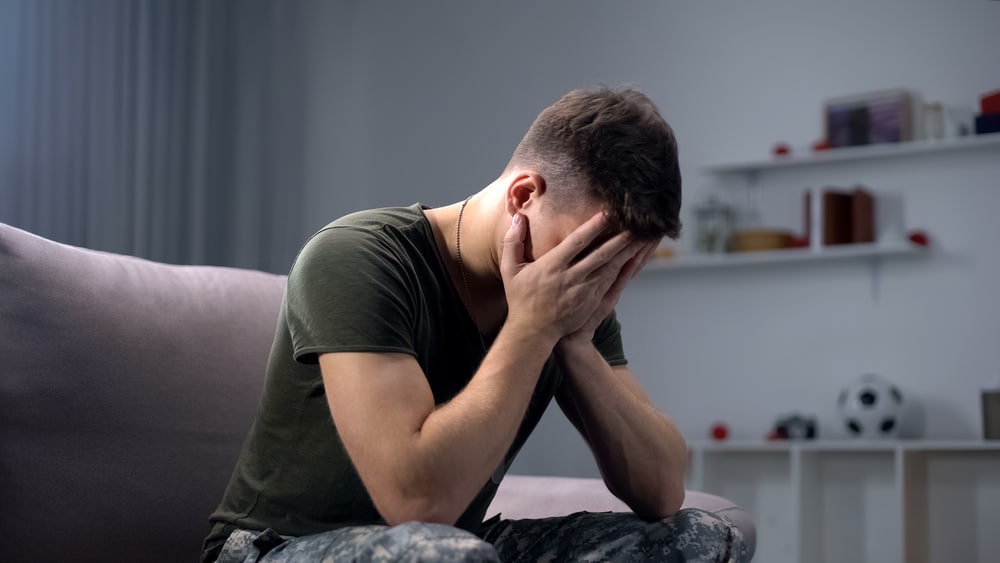
How Does Ibogaine Help Veterans Overcome PTSD?
Most veterans suffer from PTSD from brain injuries and traumatic experiences during active duty. It’s a challenge that continues affecting their personal and social lives, causing anxiety, depression, and many other mental health concerns. But
Read More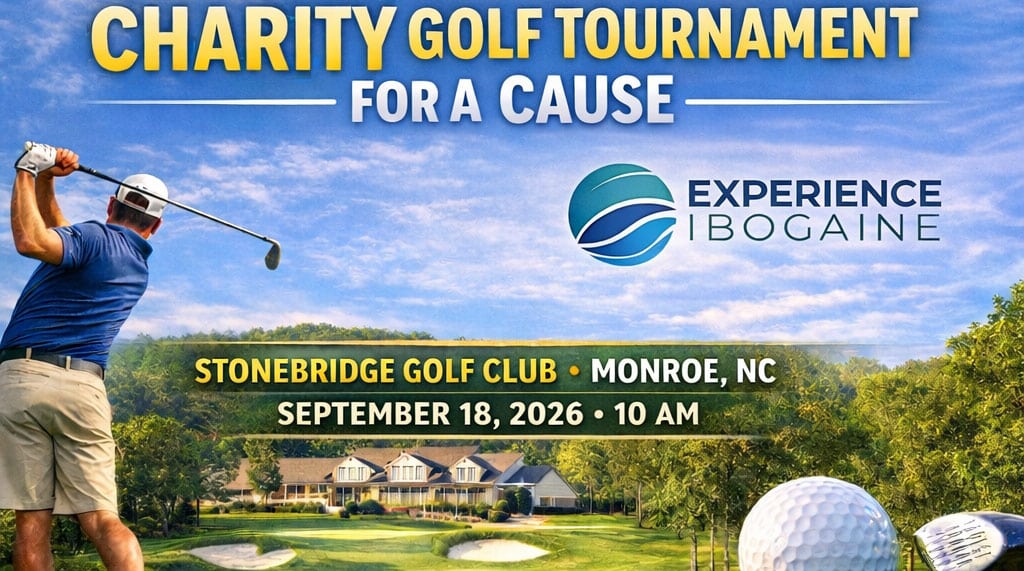
1st Annual Tournament for a Cause Announces Life-Changing Donation
Supporting Veterans and First Responders This September, Stonebridge Golf Club in Monroe, North Carolina, will host the 1st Annual Tournament for a Cause. The event raises awareness for PTSD and addiction, conditions that affect so
Read More